This project was a collaboration with the Bronx Documentary Center.
Black and white images were shot on 35 mm film and color images were shot on a digital camera.
At The Cross
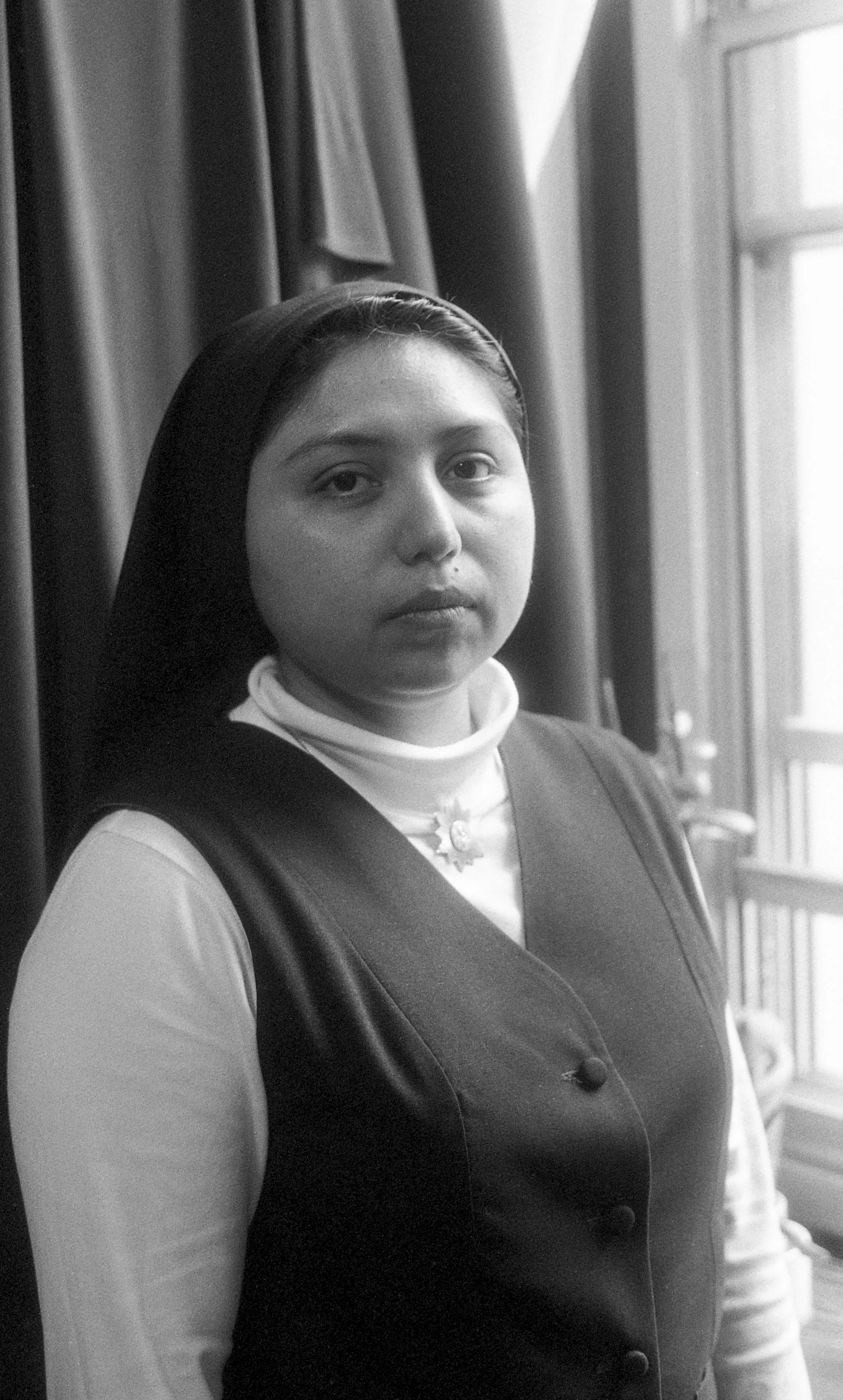
Romero poses for a portrait in her office in the South Bronx church.
Lucero Romero, 33, is one of two nuns at Immaculate Conception Church in the South Bronx where she serves as the director of religious education. There, she tutors children, works closely with their parents, and leads bilingual workshops for a predominantly Latino congregation.
Romero said the church helped shape her sense of self from a young age. Born in Mexico to a single mother, she said she struggled with her Catholic identity before becoming a nun. She crossed into the U.S. when she was eight and is a recipient of Deferred Action for Childhood Arrivals (DACA), which provides temporary protections against deportation, but no path to citizenship. Romero said that to become a U.S. citizen, she would need to marry a U.S. citizen or have a child in the country–both of which contradict her vows to the church. With uncertainty surrounding the future of DACA renewals, it’s unclear whether she will be allowed to stay in the U.S.
Since 1965, the number of nuns in the U.S. has declined by about 80%, from 180,000 to roughly 33,000 last year. In 2025, 82% of religious institutes reported no new members professing perpetual vows, according to Georgetown University’s Center for Applied Research in the Apostolate. As American-born vocations decline, many Catholic congregations increasingly rely on nuns born abroad to serve their communities, often with large immigrant populations.
“We tend to forget history,” she said about the first churches established in the South Bronx. “The first sisters that came were immigrants. They were Italian. They were German, they were Polish.” Many of those sisters also established schools and hospitals, she said. Like past sisters who immigrated to the U.S, Romero balances her devotion and service to her community beyond the walls of Immaculate Conception Church.
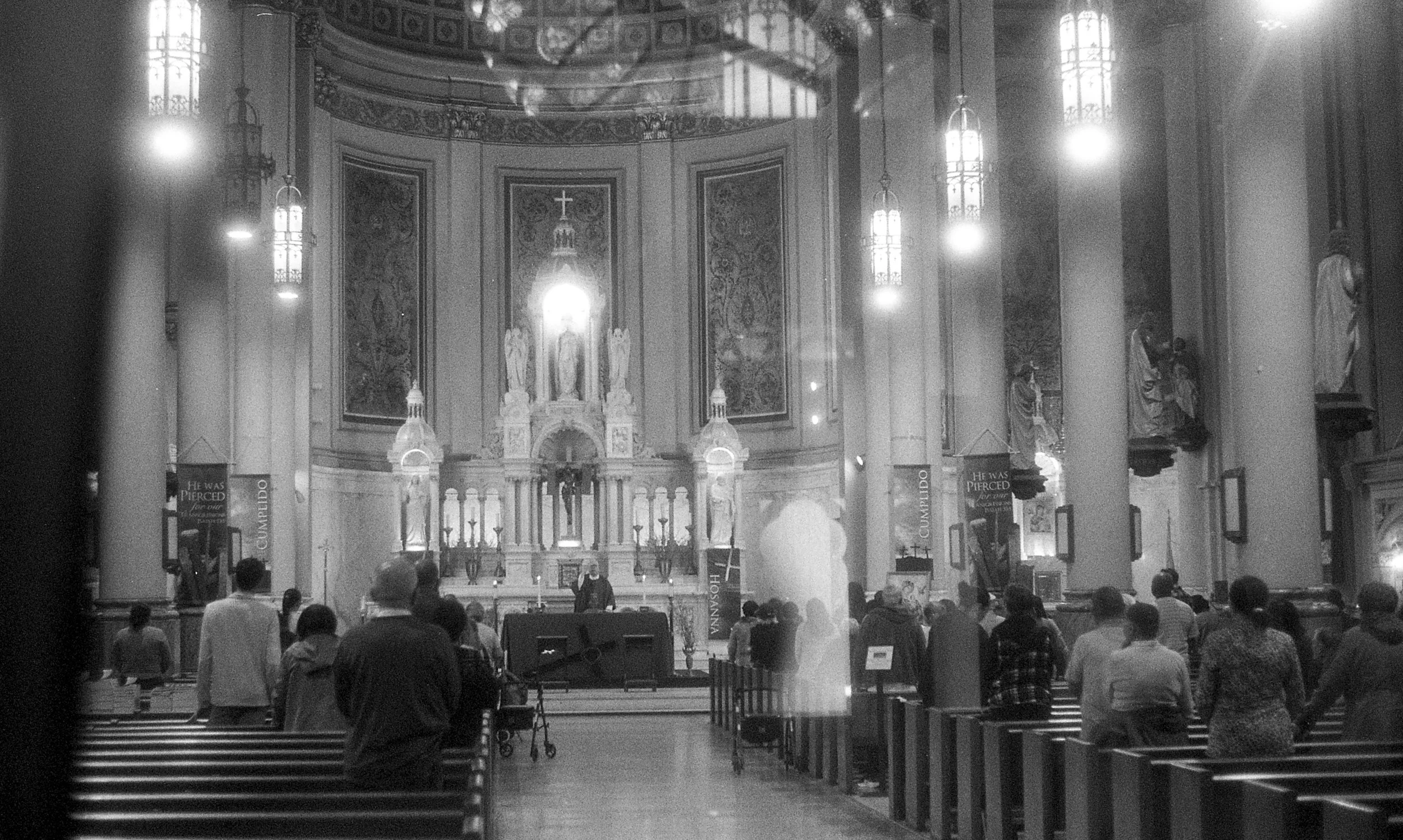
A pastor leads the midday service at Immaculate Conception Church, founded in 1853 as a parish for German Catholic immigrants.
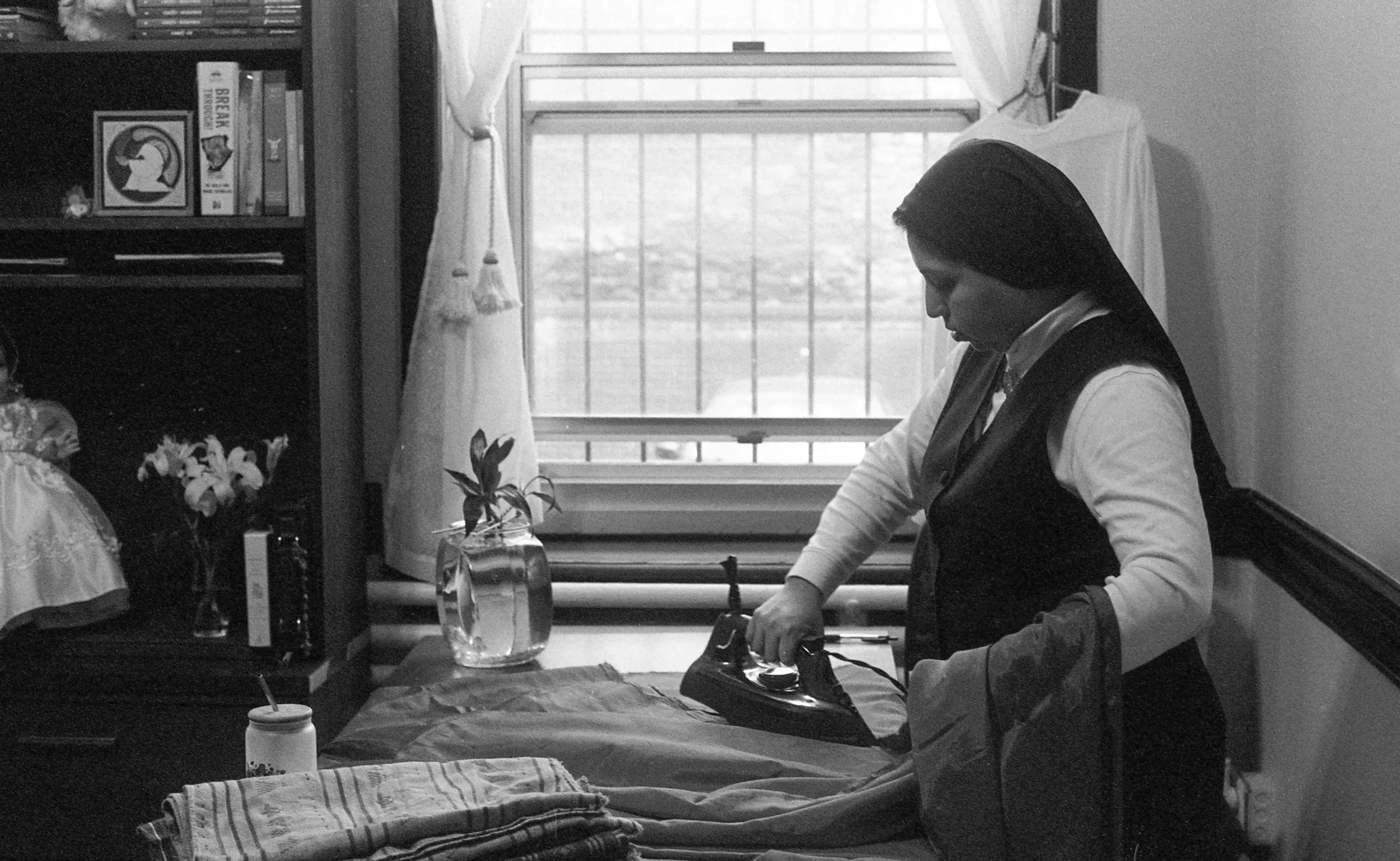
Romero irons a cloak she lends to students who dress up for the church’s Good Friday parade. She keeps a fish bowl on her desk, which she said helps calm the children she tutors.
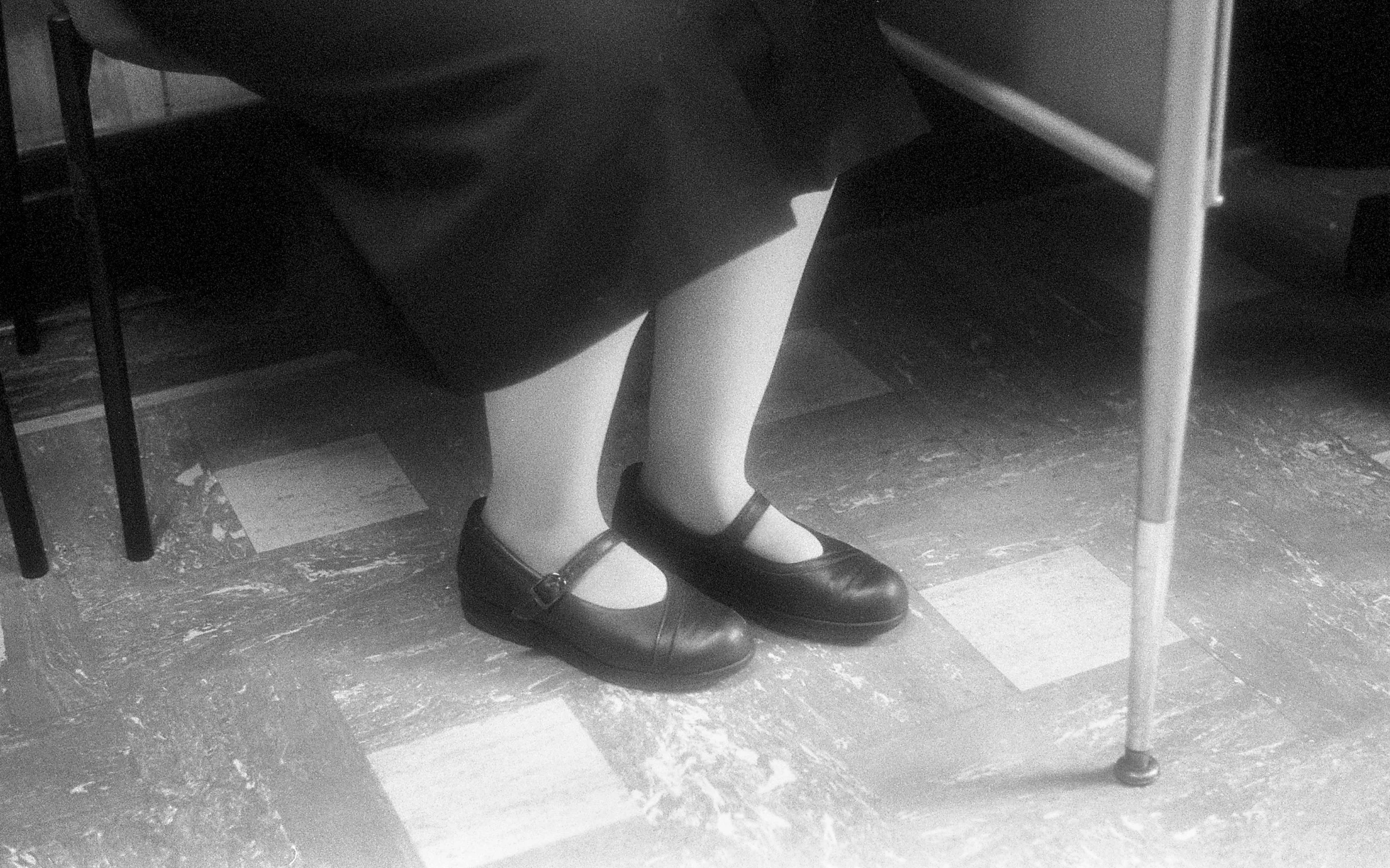
Romero remembers crossing the border into the U.S. at age 8. Separated from her mother and sister for five years before immigrating with her aunt, she later attended school in Florida, where she learned English.
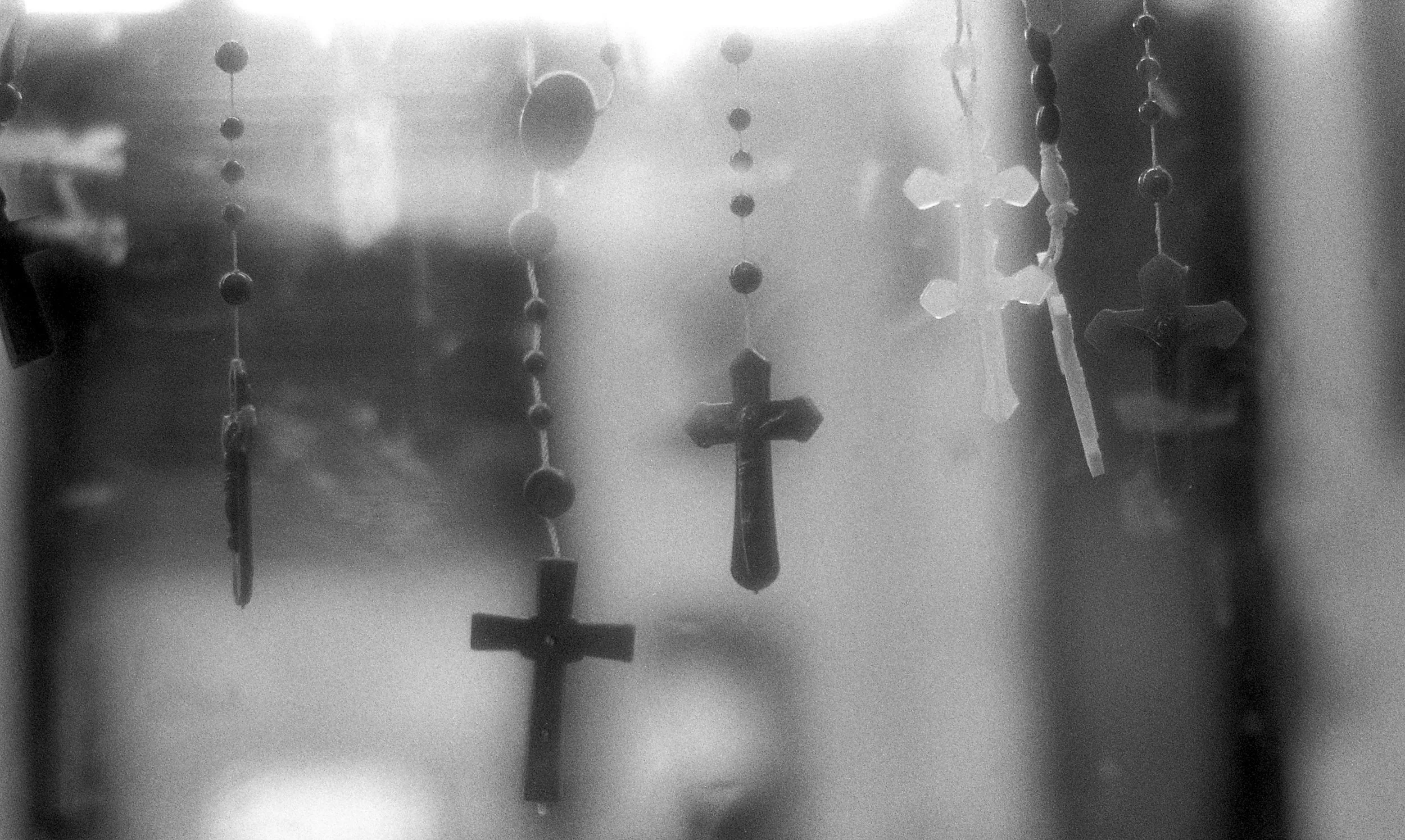
Rosaries hang in near the entrance of Immaculate Conception Church, where Romero works as director of religious education.
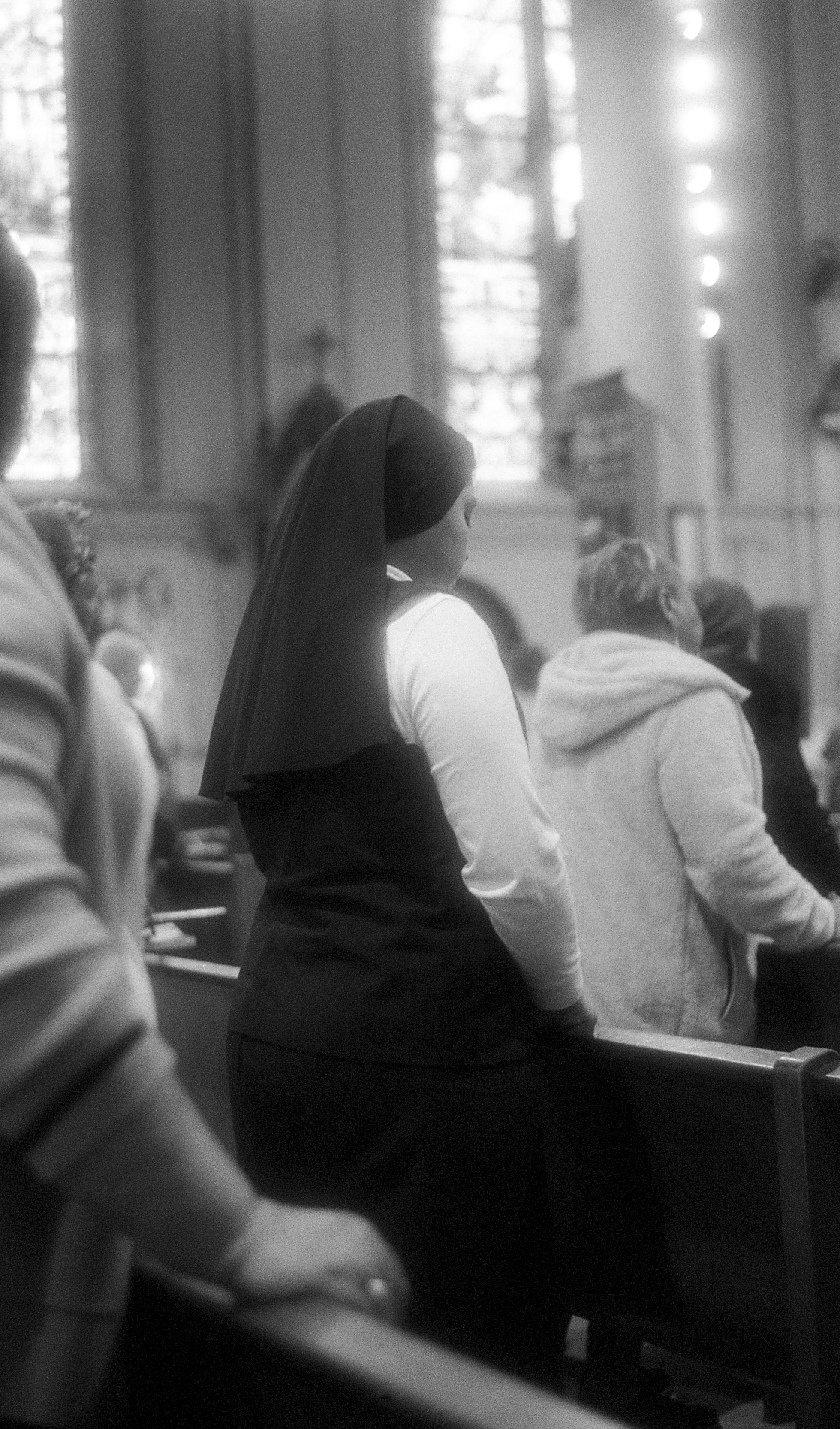
Romero joined a youth prayer group where she first learned about religious vocations. Before attending church as a child, “all I knew was I was going to get married someday because my mom never said there was another option,” she said.
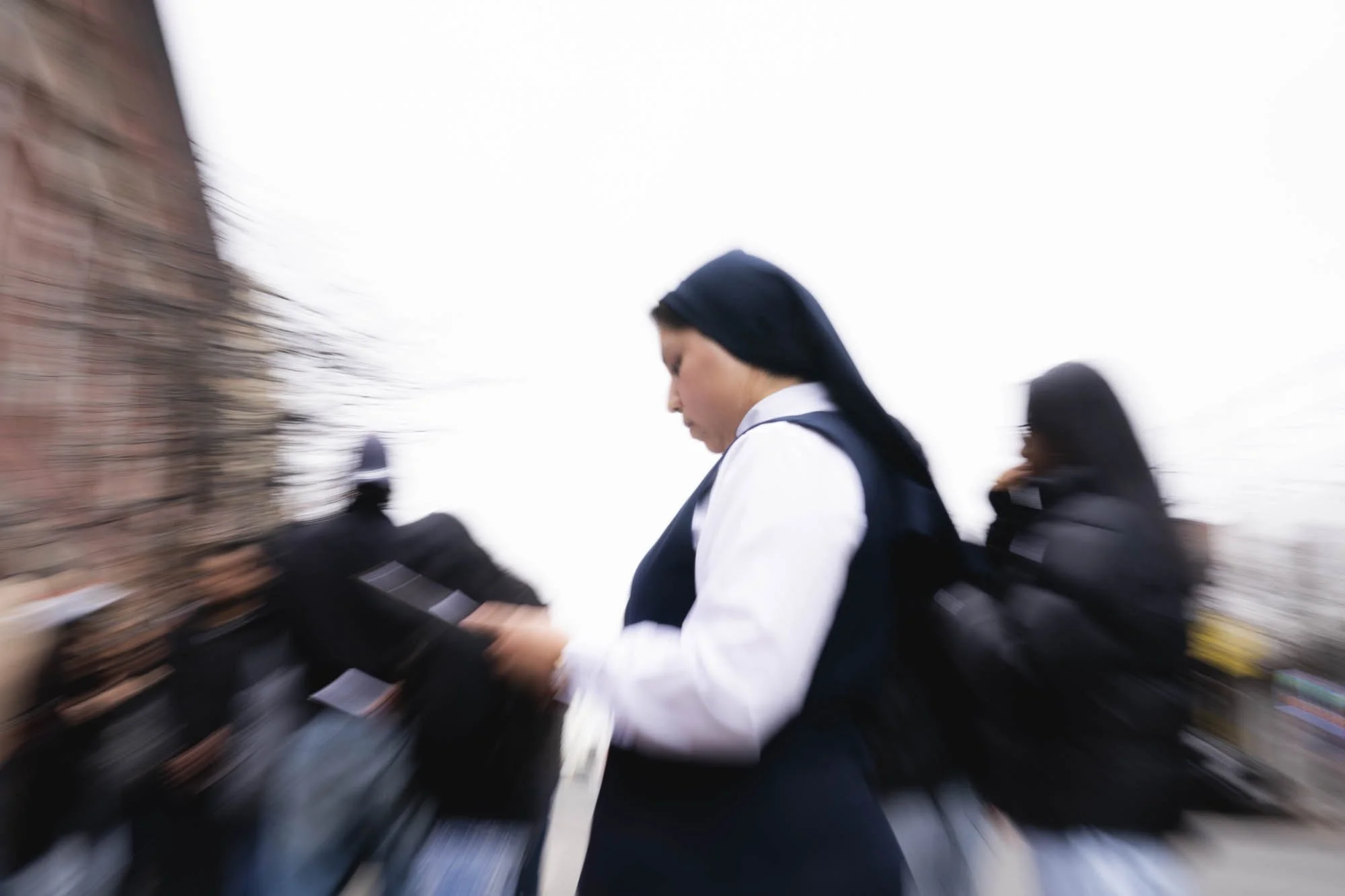
Romero teaches children ages six to 18 through religious education classes and meets with families for counseling, mentorship, and one-on-one support.
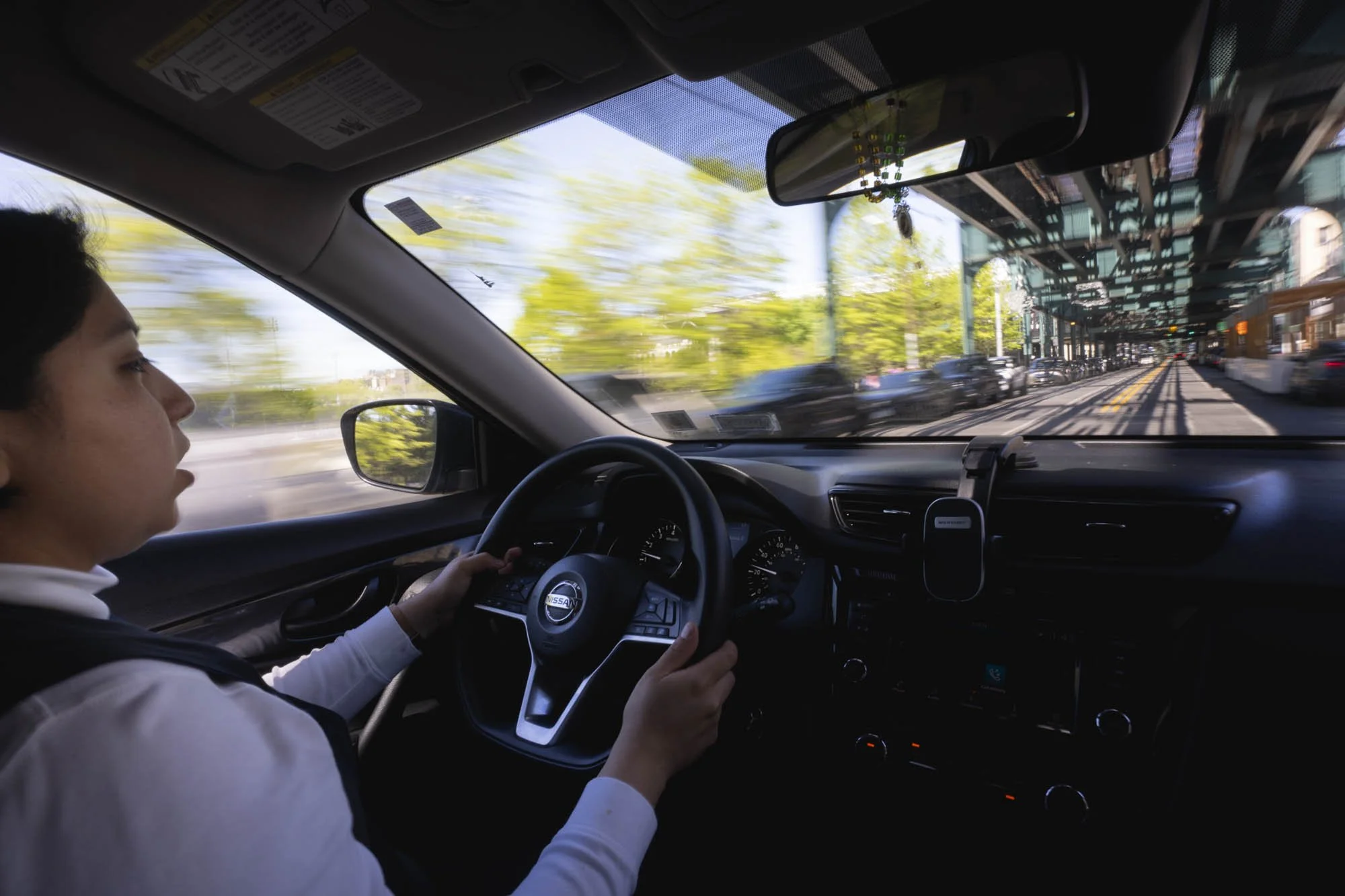
Romero drives home along River Avenue after leading a midday service.
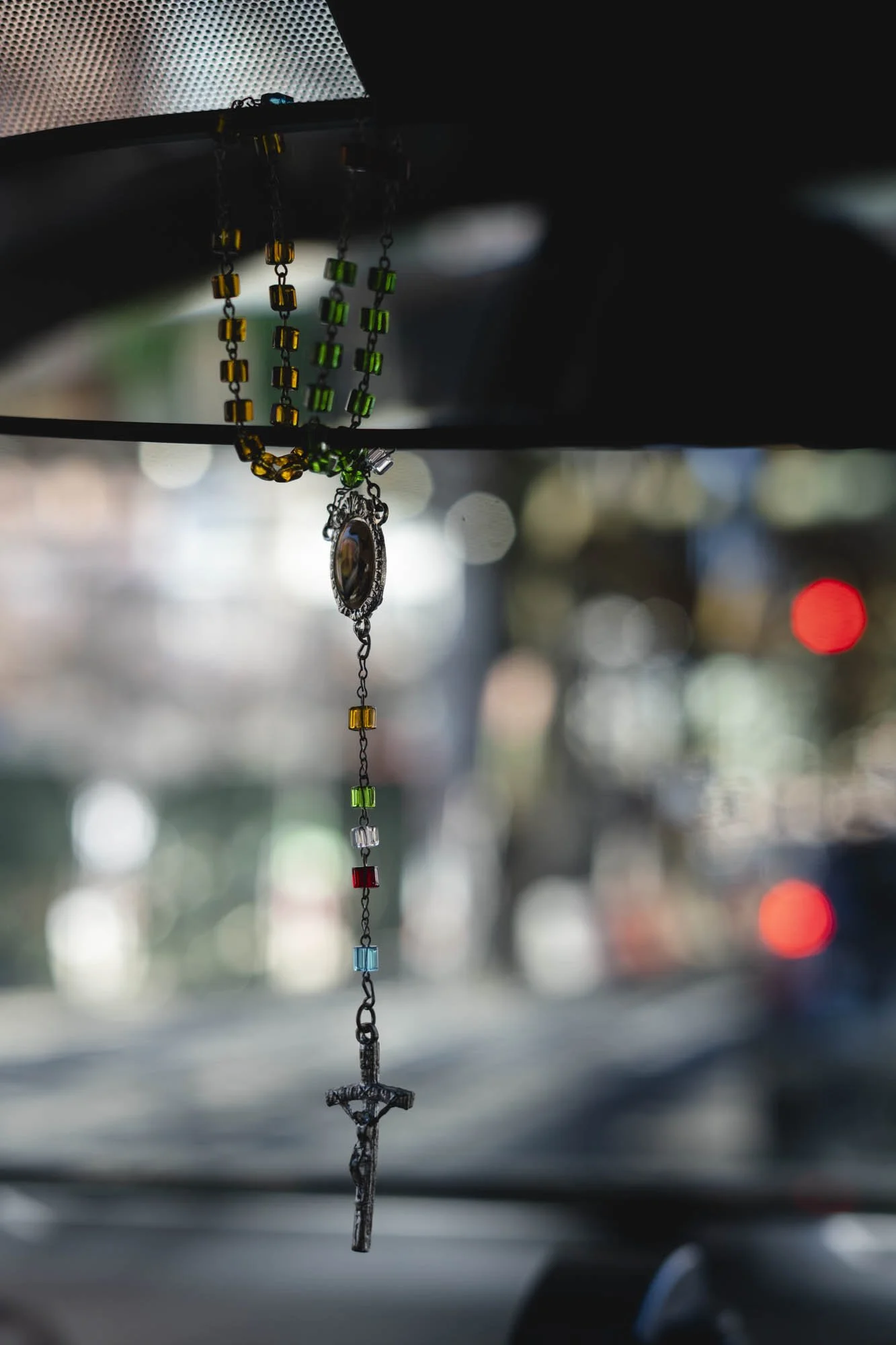
A beaded rosary, gifted by another nun, hangs in Romero’s car as she commutes from church to the grocery store and her apartment.
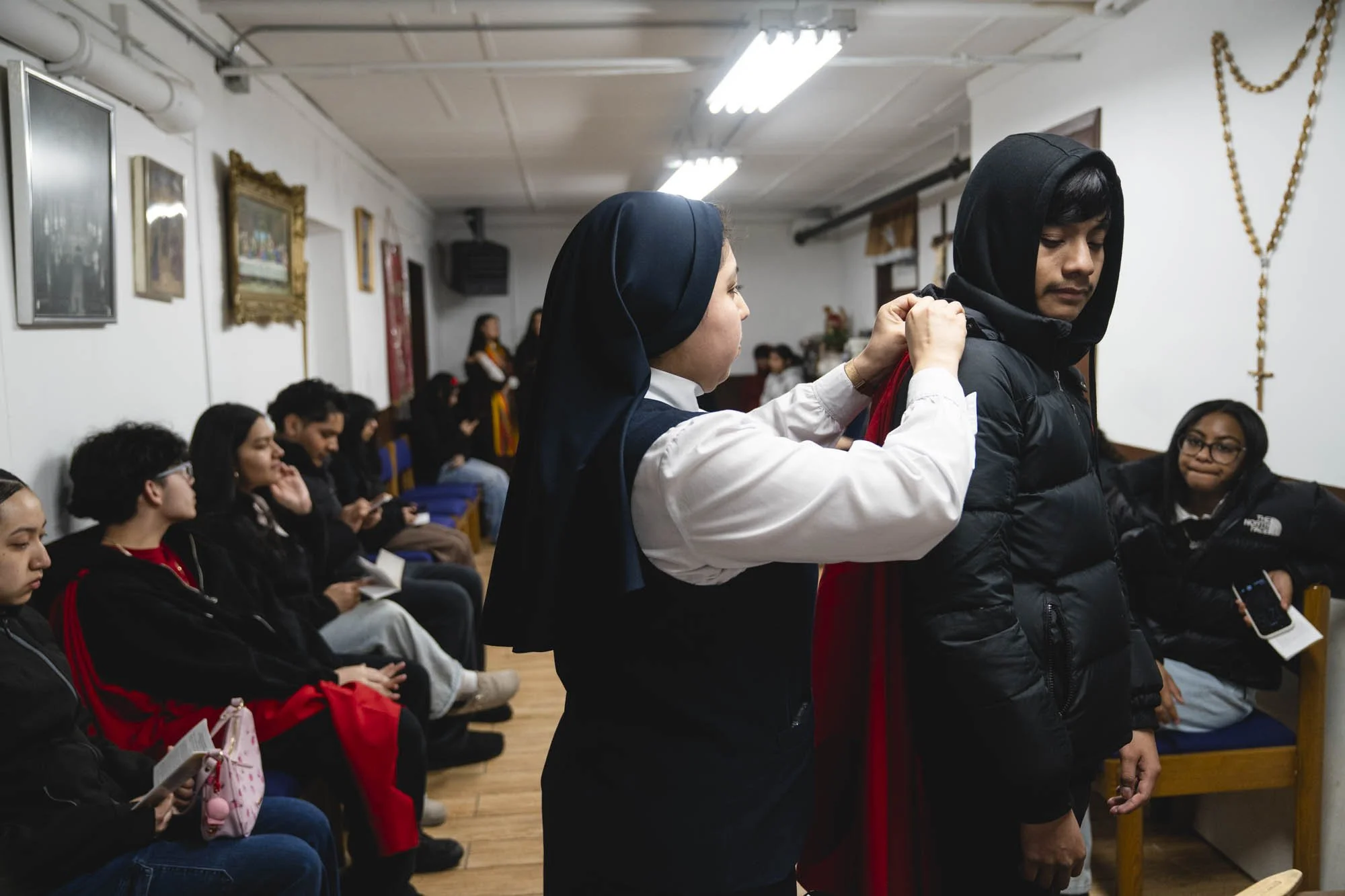
Romero fastens a costume onto one of her high school students in preparation for the Good Friday procession.
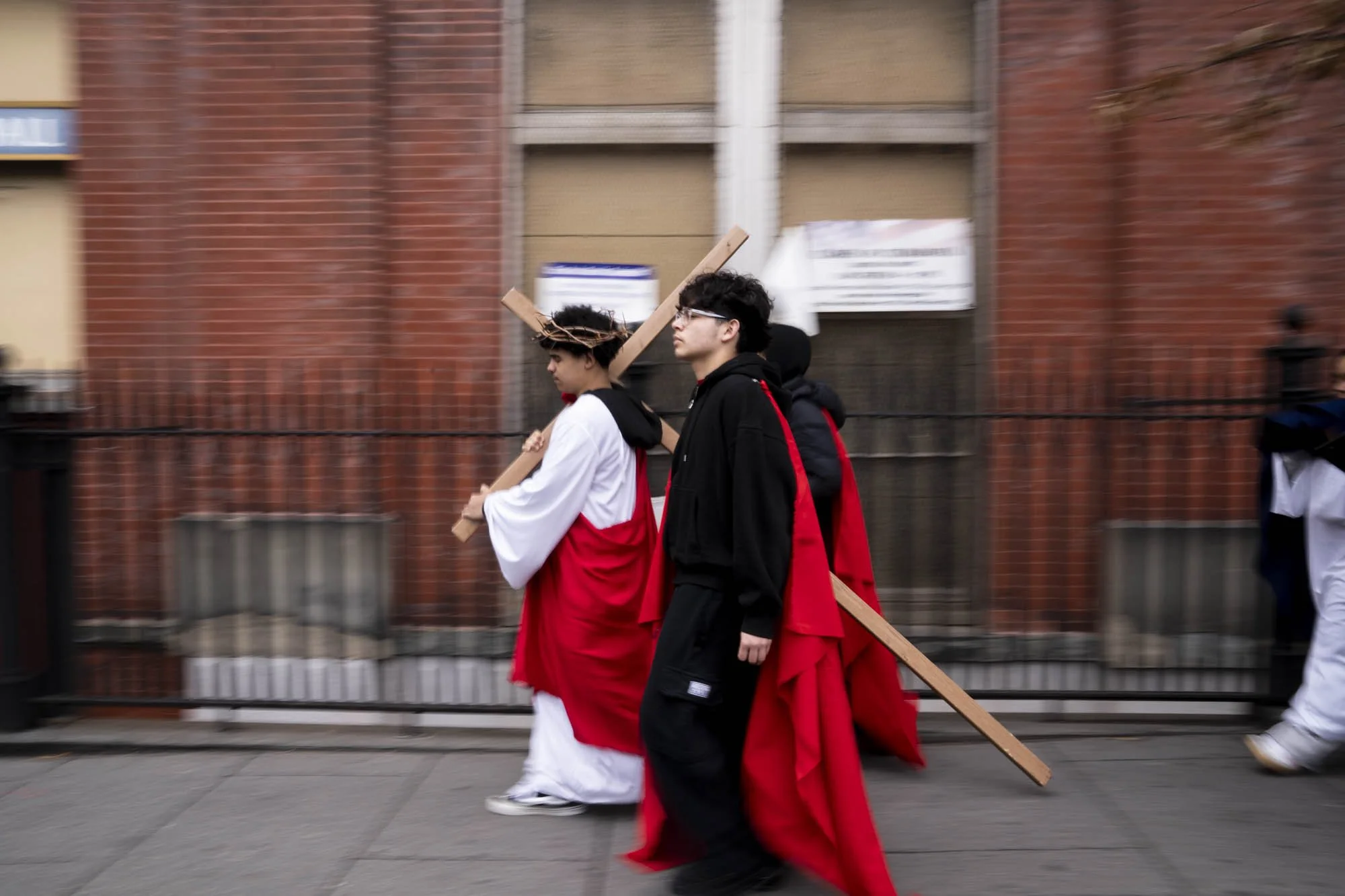
Students dressed as Jesus and his apostles carry a wooden cross during the parade. Romero said she discusses immigration through biblical stories centered on welcoming strangers.
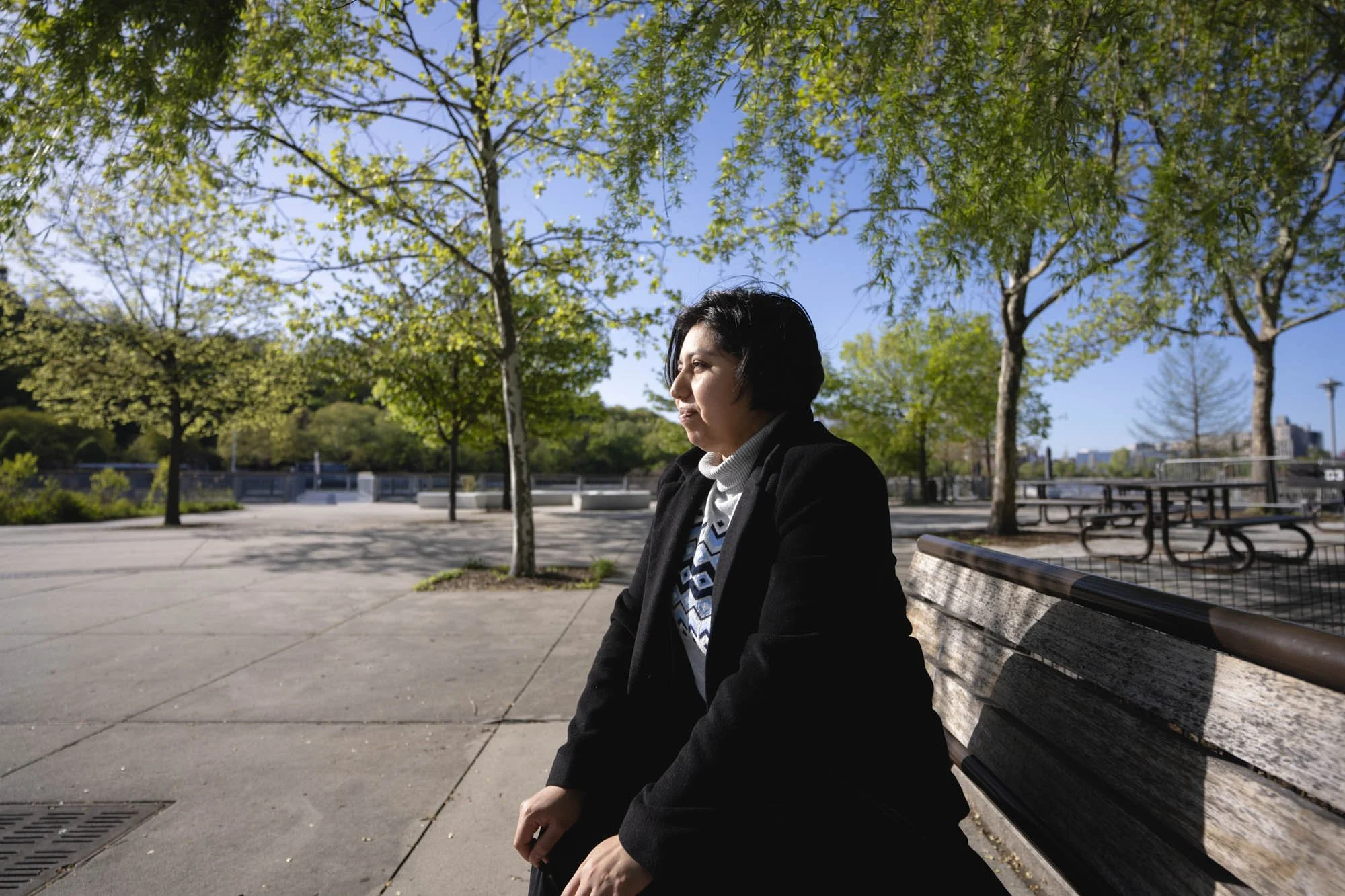
Though she speaks openly about immigration with her students, often focusing on biblical stories, Romero still fears being separated from her mother. She hasn’t returned to Mexico in 26 years. “My wish is to go back before my grandma dies,” she said.
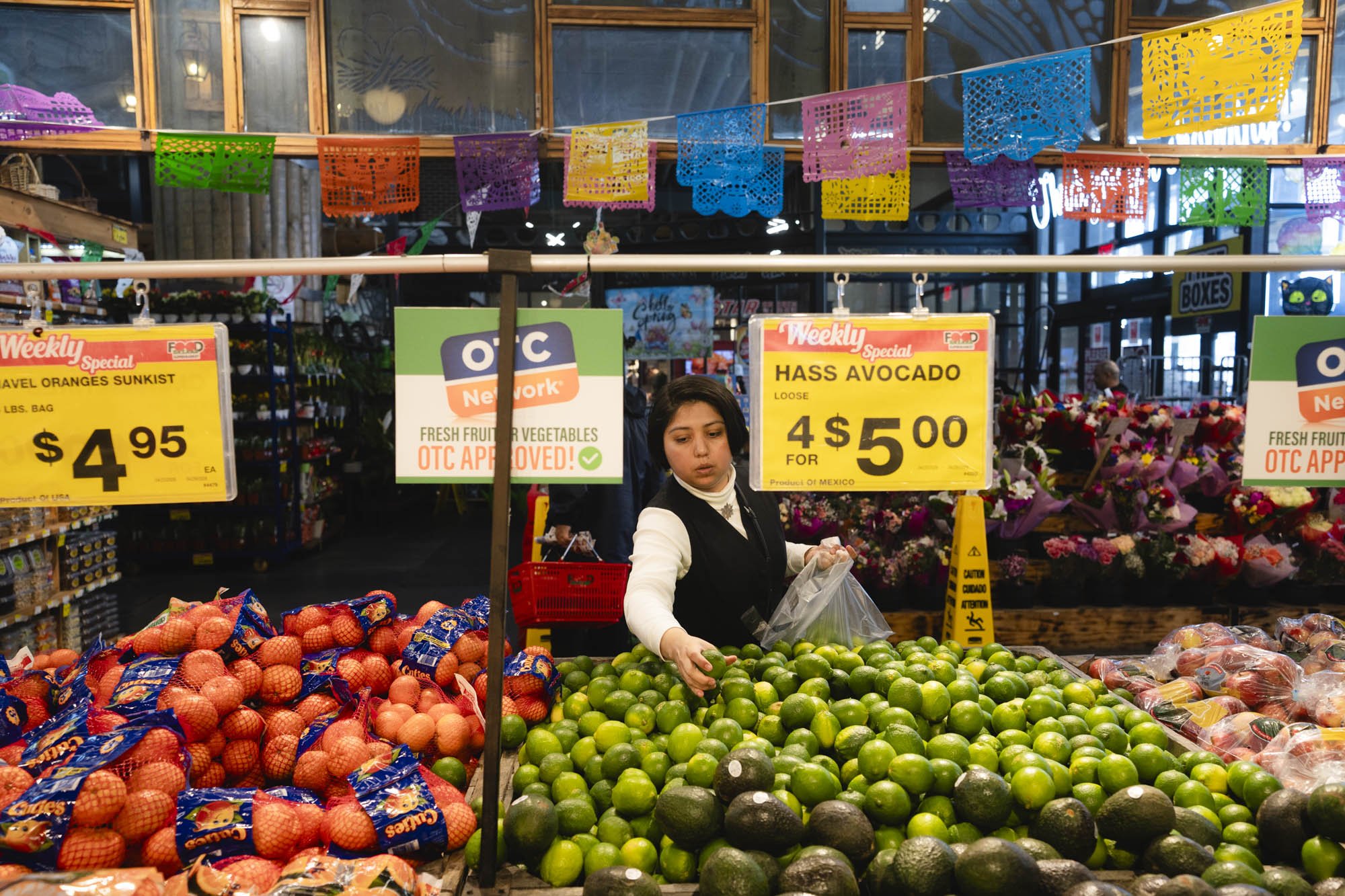
Romero shops for groceries.
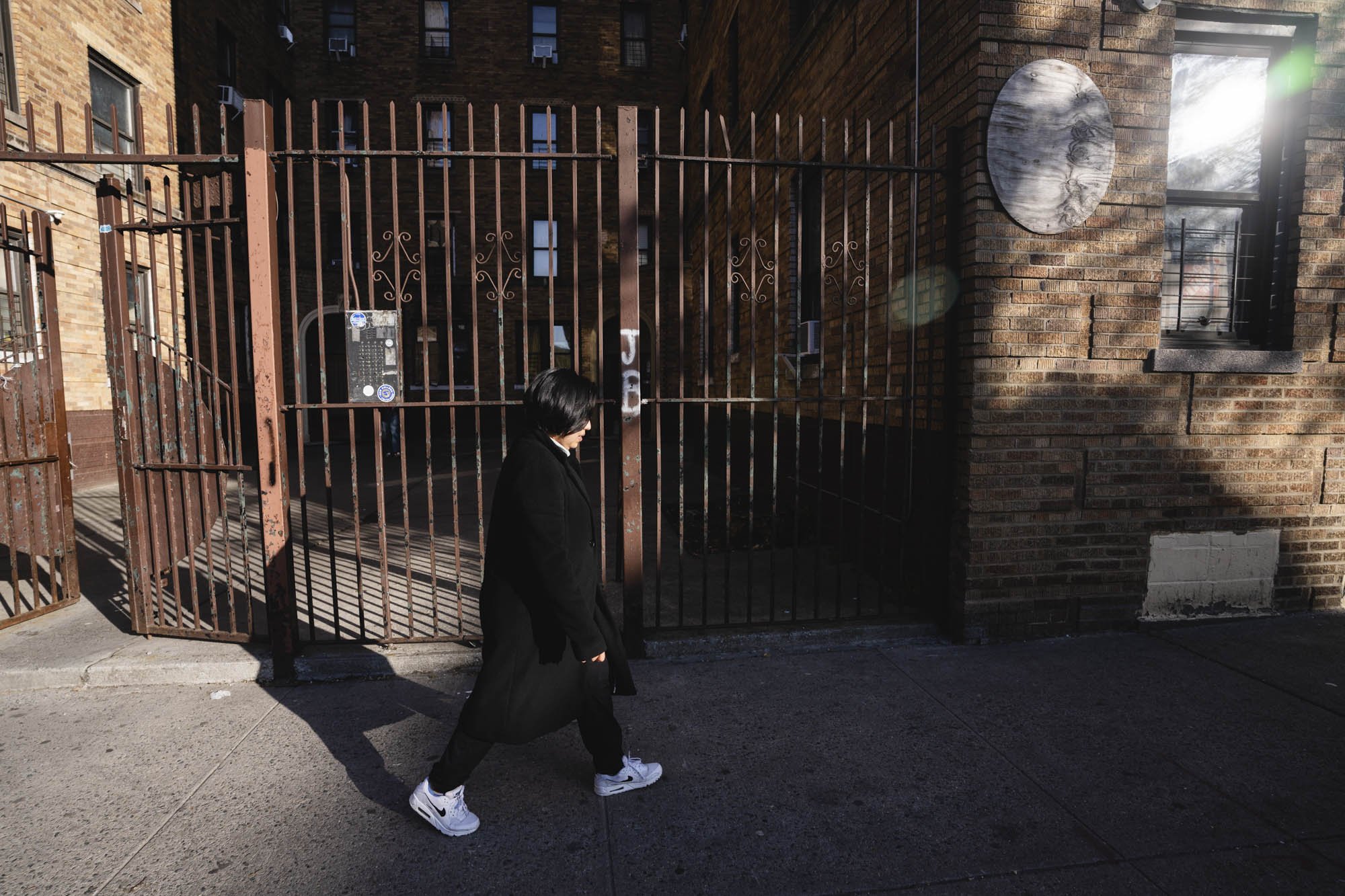
Romero has lived with another nun working at Immaculate Conception Church in Morris Heights for three years. Before arriving in the Bronx, she served communities in Maryland, Texas, Massachusetts, and Florida through the Missionary Sisters of Our Lady of Perpetual Help, a Catholic congregation founded in Mexico.
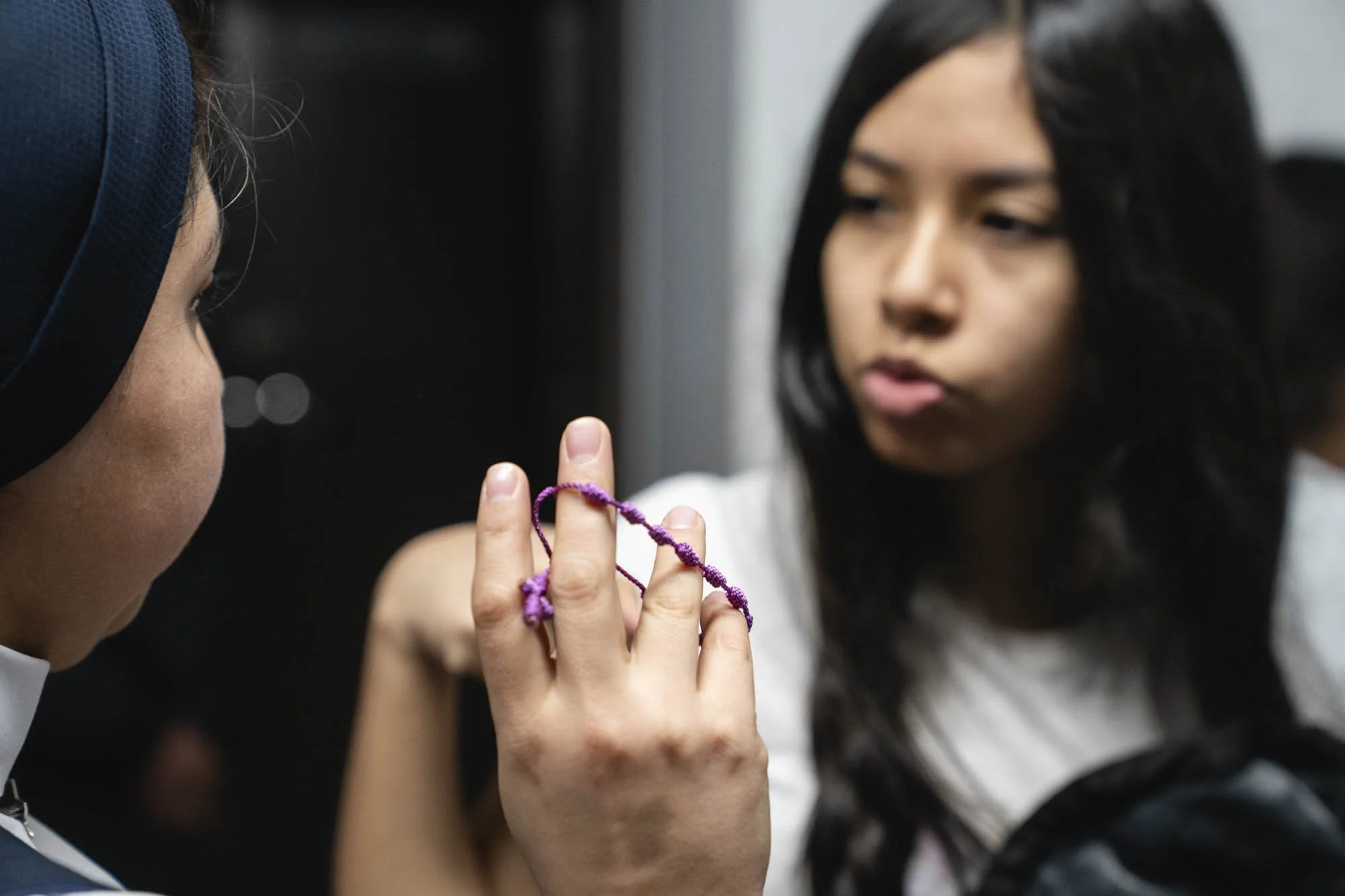
Romero gives her students bracelets after the Good Friday procession.